
Vitamin-D Deficiency?

What is the purpose of vitamin D in the body?
Known as the “sunshine vitamin,” vitamin D is a vitamin you can get from food or supplements. Exposure to the sun also stimulates vitamin D production in the skin.
Vitamin D serves several important functions in the body. These include:
promoting calcium absorption, maintaining normal calcium and phosphate levels, promoting bone and cell growth, reducing inflammation. According to Harvard University, an estimated 1 billion people are low in vitamin D. Vitamin D deficiencies can cause short-term symptoms and long-term complications.

What are the symptoms of vitamin D deficiency?
Vitamin D deficiency doesn’t always cause symptoms. When it does, some of the symptoms may include: difficulty thinking clearly, bone pain, frequent bone fractures
muscle weakness. soft bones that may result in deformities, unexplained fatigue
Many people don’t develop symptoms until their vitamin D levels get very low or have been low for some time. This can make the condition difficult to diagnose.

Several factors have contributed to the rising incidence of vitamin D deficiency. These include: wearing sunscreen (sunscreen blocks the sun’s ability to stimulate vitamin D production), not spending enough time outside, having darkly pigmented skin, which won’t absorb the sun’s rays as well , exclusively breast-feeding babies for prolonged time periods, being obese, which typically raises your vitamin D requirements. Some people are born without the ability to process vitamin D. Other people have medical conditions that keep them from digesting vitamin D well.

How is vitamin D deficiency diagnosed?
Your doctor will start by taking your health history to determine if you’ve been experiencing symptoms that could indicate vitamin D deficiency. A doctor will likely order a blood test for the serum concentration of 25(OH)D. This is the type of vitamin D that circulates in the blood. It’s considered a good reflection of how much vitamin D you’ve absorbed from sun exposure and taken in from foods.

Levels of vitamin D are expressed in nanomoles/liter (nmol/L) or nanograms/milliliter (ng/mL). According to the Office of Dietary Supplements (ODS), the results can indicate the following: deficiency: less than 30 nmol/L (12 ng/mL)
potential deficiency: between 30 nmol/L (12 ng/mL) and 50 nmol/L (20 ng/mL)
normal levels: between 50 nmol/L (20 ng/mL) and 125 nmol/L (50 ng/mL)
high levels: higher than 125 nmol/L (50 ng/mL)

If your vitamin D levels are low and you’re having symptoms of bone pain, a doctor may recommend a special scan to check for bone density . Doctors use this painless scan to evaluate a person’s bone health.

How is vitamin D deficiency treated?
Doctors often treat vitamin D deficiencies by prescribing or recommending vitamin D supplements. The amount you should take usually depends on how low your vitamin D levels are. For example, some people may reach their vitamin D intake by taking a multivitamin. These usually have between 400 and 800 IU of vitamin D with each serving. However, people who are very deficient in vitamin D may need higher levels of supplementation — about 1,000 IU per day.

Ask your doctor how much vitamin D you need every day. The ODS recommends the following dietary allowances for eating foods that contain vitamin D as well as taking supplements: ages 0 to 12 months: 400IU, ages 1 to 70 years (including pregnancy and lactating) 600IU, ages 70 and older: 800IU
Few unfortified foods in a person’s diet are high in vitamin D. Foods that are naturally high in vitamin D include: fatty fish, such as mackerel, salmon, and tuna, beef, cheese, egg yolks, fish liver oils, mushrooms .

However, food manufacturers often add or fortify foods with vitamin D. Examples include: milk, breakfast cereals, yogurt, orange juice, margarine. Manufacturers also add vitamin D to some infant formulas to reduce the risk that infants will have low levels.

It’s also possible to increase vitamin D levels by going outside more. About 15 minutes of sun exposure (without sunscreen on) is usually enough to build up vitamin D levels. Several factors can influence the amount of sun exposure you get, including the time of year, cloud cover, and the time of day (the sun’s rays are more direct during the middle of the day). Another consideration is that ultraviolet B radiation can’t penetrate glass. This type of radiation is what stimulates vitamin D production. So even if you’re taking in sunlight through a window, you won’t get the benefit of vitamin D production.
Sunscreen is still very important to your health. If you’re going to be outside for longer than 15 minutes, you should wear sunscreen to protect against the sun’s damaging rays.

Some steps you can take to maintain healthy vitamin D levels include:
getting out in the sun without sunscreen on for 15 minutes each day
taking a multivitamin that contains vitamin D
eating foods that are high in vitamin D
purchasing and eating foods that are fortified with vitamin D, such as cereals and milk
Eating a healthy diet with fortified foods and getting some sun exposure when possible can help you keep your vitamin D at healthy levels.

vit-d.jpg

What’s a Disability?

Disability is often defined as any limitation, restriction or impairment which restricts everyday activities and has lasted or is likely to last for at least 6 months, or ones Lifetime. However, disability can be defined in several different ways, depending on the context that the word is used. Disabilities can be very varied.  They can be physical, cognitive, intellectual, mental, sensory, or developmental. They can be present at birth or occur during a person’s lifetime, and can also be permanent or temporary.

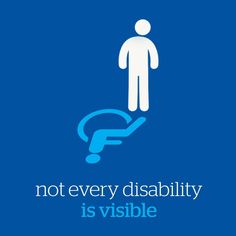
There are many different types of disabilities which affect individual people in different ways. 90% of disabilities are not visible, and two people with the same type of disability may not have the same experiences, which loosely fall into  separate categories – intellectual, physical, sensory, and mental illness.

An intellectual disability may mean difficulty communicating, learning, and retaining information. They include Down syndrome, Fragile X syndrome, Prader-Willi syndrome, and developmental delays.

Physical disability may affect, either temporarily or permanently, a person’s physical capacity and/or mobility. They include MS, cerebral palsy, spina bifida, brain or spinal cord injury, epilepsy, and muscular dystrophy.

Sensory disabilities affect one or more senses; sight, hearing, smell, touch, taste or spatial awareness. They include autism, blindness, and hearing loss.

A mental illness affects a person’s thinking, emotional state and behaviors. They include bipolar, depression, schizophrenia, and eating disorders.

Disability and education
36% of people with a disability aged 18-64yrs, have completed Year 12, compared with 60% of those without a disability.
50% of school children with a disability receive additional support including tuition, and access to counsellors or support workers.
25% of people with a profound or severe disability aged 15 – 64 have completed Year 12.

Disability and the community
People with a profound disability are 9 times less likely to participate in activities outside the home.
Nearly 4 in 5 people with disability aged 15-64 years, participated in a cultural, recreational or sporting activity away from home in the previous 12 months (79%).

Childhood disabilities and developmental delays

7% of children have a disability
10% children have a developmental delay
52% of children with disabilities have a profound or severe core-activity limitation
Boys aged 0-14 years are more likely to have a disability (8.8%) than girls (5.0%)
Autism and related mental or behavioral disabilities are the most common disabilities amongst all children
Sensory (sight and hearing), and speech disabilities are the most common disabilities amongst children aged 0-4
66% of children with disabilities attend regular classes in mainstream schools
Just 10% of children with disabilities attend ‘special’ schools
Almost 80% of School principals reported not having enough resources to meet the needs of children with a disability

Mental Health
1 in 5  have a mental illness
Almost half (45%) will experience a mental illness in their lifetime
Women are more likely to have a mental illness than men (22% compared with 18%). However, men had twice the rate of Substance Use disorders (7.0% compared with 3.3%)
The most common mental illnesses are depressive, anxiety and, substance use disorder
More than 10% of people with a mental illness die by suicide within the first 10 years of diagnosis.

Lets all be dedicated to giving people with a disability greater choice, control, and freedom – empowering them to live life on their own terms across the World.

disable


Have you ever done any of these things?

Have you ever done any of these things? Or is it possible you are doing this now & don’t even realize what is going on with yourself.  Who do you love?! Are you loving yourself?

Do You spend money on yourself because you “deserve it.”
Loving yourself doesn’t mean buying nice things or treating yourself to massages, vacations, a nice car or an expensive restaurant meal.
In fact, I see people constantly looking for the next big “fix” that will allow them to feel momentarily better about their life or relationship.

The fixes never do, because underneath all those treats and expenses, you still don’t love yourself and who you really are, at the core. You do things for others so they won’t think you’re a bad person. This is classic people pleasing behavior. You say “yes” to doing things for others when you really don’t have time or the desire, because you don’t want to disappoint them. You don’t dare disagree with a friend for fear they’ll be angry with you. You often wonder how you got yourself into commitments that turn out to be a giant headache.

If you’re seeking approval from others in order to feel like a good, hard-working, loving person, you’ll forever run yourself ragged. That’s because no matter what compliments others bestow upon you, you’ll never feel like enough.
You keep searching for that perfect relationship.
You keep thinking that someday, life will be so much better when you find the right partner and fall in love. You’ll finally feel as though you belong, or that you’re understood and appreciated for who you are.

Looking to another person to make you feel whole is a losing strategy. That’s because…
No One Can Make You Feel Deserving Of Love, No Matter How Much They Say, “I Love You”

If you don’t love yourself, you won’t be able to feel loved by anyone else.
You’ll criticize, blame and lash out, because deep down, you can’t accept anyone for who they are because you can’t accept who YOU are.

The good news is that loving yourself doesn’t require nearly as much effort as it takes to try to make someone love you. And it certainly doesn’t require maxing out your credit card buying the things you think will make you happy.

Loving yourself is a much simpler process than you think, and it’s WAY more powerful than hearing praise from a loved one or the momentary thrill of spending money on an experience or object. So who do you love? & Are you loving yourself?!

selflove

Kingdom Principles preparing for Kingdom Experience & Expansion

By Myles Munroe CHAPTER THREE The Original Kingdom Concept: Colonization of Earth From our discussions thus far, two things at least should be perfectly clear at this point. First, every person on earth, without exception, is seeking a kingdom. Consciously or unconsciously, every human activity and endeavor is directed in one way or another toward […]

via KINGDOM PRINCIPLES PREPARING FOR KINGDOM EXPERIENCE AND EXPANSION — Christian Book Club

“Who do you say that I am?”

Matthew 16:13-20 Jesus and the disciples came to the region of Caesarea Philippi where Jesus asked them who people were saying that He was. They responded with several things He was being called. Then Jesus asked them a fateful question: “Who do you say I am?” It was Simon who responded for the group: “You […]

via “Who do you say that I am?” — The Life Project

3 Things more Important Than Money?!

We’ve all heard the saying that money doesn’t buy happiness, but is there any truth to it? According to a study, having lots of money doesn’t translate to happiness or satisfaction. In the research, it was found that people who had a high income were not much happier than someone with a low income. It […]

via 3 Things More Important Than Money — simple Ula

Ketogenic Diet Benefits ?

Top 6 Benefits of the Ketogenic Diet

1. Healthy Weight Low-carb, high-fat, moderate-protein diets (like Keto) have been used for decades to help people reach and maintain a healthy weight.One key reasons why is that high-fat diets can actually reduce appetite, even when restricting calories. This is due to the nature of fat-rich foods. Also, by consuming a higher-fat/lower-carb diet, the body is retrained to use fat as an energy source, allowing the body to tap into its own fat reserves for energy.

2. Blood Sugar Balance A ketogenic diet can also be beneficial for those wishing to maintain blood sugar balance (for blood sugar levels already in the normal range). Studies show that low-carbohydrate diets, which limit intake of sugar and processed grains, encourage healthy blood sugar balance as well as other significant health benefits.

3. Healthy Brain Function Not interested in the fat-burning aspect of a keto diet? Keto may still be right for you. A big reason why so many people love the ketogenic diet is due to its support of a healthy brain and brain function. In fact, it’s becoming incredibly popular in many high-performance career fields. One animal study on aged rats pointed towards a ketogenic diet boosting cognitive performance for the study animals. More studies are being done, but that it is a promising outcome.  I believe the proof is in the “ketogenic” pudding. Ask anyone who been in ketosis how it feels, and they’ll most likely tell you that their mind and thoughts are much clearer.

4. Support Gut Health Many who suffer from digestive issues shudder at the thought of eating a high-fat, low-carb diet. And for good reason. Increased fat intake can sometimes boost bowel transit time. But this is generally only a short-lived side effect. While more studies need to be done, numerous studies indicate that a low-carb diet can be particularly powerful when it comes to healthy digestion and digestive function. So, the keto diet can be a great addition to diet and lifestyle practices for supporting a healthy gut!

5. Discomfort Soother and Supporting a Healthy Response to Inflammation Ketosis has also been shown to soothe discomfort in the body and to support a healthy response to inflammation.  I consider that a win-win!

6. Stable Energy Levels What’s probably most shocking about a ketogenic diet is how it keeps energy levels stable throughout the day. That could mean saying “good-bye” to afternoon slumps and no need for an instant hits of sugar, short-lived energy boosts, followed by a crash.

Ketosis for the Win? How is that possible? Fat (and the ketones produced from fat) are a readily available source of fuel. Once someone is fat-adapted and in ketosis, they will typically find that they can easily go for hours without certain foods and not have drastic energy level swings. There’s a solid amount of benefits for those who make the switch to a ketogenic diet.

Note; After reading this, if you are interested in trying  a ketogenic diet, be sure check out my brand new line of supplements specifically designed to help you as you embark on a “keto” journey. Of course, the ketogenic diet of high-fat, low-carb and moderate-protein foods is primary, but I believe these supplements can provide keto-friendly options to help support the keto diet.

As with any dietary or lifestyle regimen, before attempting a ketogenic diet in any capacity, I recommend you try it ONLY with the support of your doctor or other health professional.

diet


7 Million American Men Carry Cancer-Causing HPV

A Silent Epidemic of Cancer Is Spreading Among Men

The study, in the Annals of Internal Medicine, found that 11 million men and 3.2 million women in the United States had oral HPV infections. Among them, 7 million men and 1.4 million women had strains that can cause cancers of the throat, tongue and other areas of the head and neck.

The risk of infection was higher for smokers, for people who have had multiple sex partners, and for men who have sex with men. Frequent oral sex also increased the risk. The rate was higher among men who also had genital HPV. (Almost half of men aged 18 to 60 have a genital HPV infection, according to the Centers for Disease Control and Prevention. Neither age nor income made a difference in high-risk oral infection rate. HPV vaccination is recommended starting at age 11 or 12 and is effective, said the senior author, Ashish A. Deshmukh, an assistant professor at the University of Florida, and “it’s crucial that parents vaccinate boys as well as girls.”The lead author, Kalyani Sonawane, also at the University of Florida, said that behavioral change is important, too, particularly smoking cessation. “The difference in oral HPV infection between smokers and nonsmokers is staggering. Having oral sex with multiple partners significantly increases risk of head and neck cancer in men, study finds.

Head and neck cancer is predicted to overtake cervical cancer in the USA by 2020. Though there are more than 100 kinds of HPV, the danger focuses on three specific kinds: HPV 16 or 18, which trigger cervical cancer, and HPV 16 which triggers oropharyngeal cancer. Not having sex is the only way to prevent HPV. Since HPV is so common,  Using condoms correctly each time you have sex reduces the risk of getting sexually transmitted infections, and might offer some protection against HPV. Keep in mind that skin in the anal/genital area not covered by a condom can still be affected.

STD Rates in the U.S. Rise for the Third Straight Year, nearly 20 million new cases of sexually transmitted diseases (STD s) in the U.S. each year.

0d4251f1334d8b0a85635483640f9311

Get Tested! Take charge of your sex life today. Help stop the spread of STDs by knowing your status.

How to Find Hope when You are Hurting

None of us are immune to life’s problems. However, there is hope, even when you can’t see a way out of your struggles. Here are some coping suggestions you may find helpful.

via How To Find Hope When You Are Hurting — When Women Inspire

Self Cleansing, Get back your Self-power?! Try Today!

Try Self Cleansing Once a week, A month, or anytime suitable to gain your self power and positive energy in your life to a daily basis. Self Rituals are a symbolic way to help you release old hurts and prepare for new goals. Everyone encounters negativity in life, including gossip, turmoil at work, breakups and other losses. They can block you spiritually if you allow them to build and gather power. By performing a spiritual cleansing, you can release these negatives and reclaim your power. A cleansing can act as the starting point for moving in a healthier direction.

Step 1. Take a bath to prepare yourself physically for the spiritual cleansing. Try using bath salts in the water, as salt is traditionally considered to be a cleansing element. As you relax in the hot water, meditate on the specific areas of your life that need cleansing.

Step 2. Write down the aspects of your life that you wish to cleanse. Focus on items that contribute to negativity and keep you stuck. Include everything that needs to be released to clear your spirit.

Step 3. Meditate on the list of negatives you just created. Envision the negativity in your life dissolving, turning to dust and blowing away on the wind. If you have religious beliefs, you can pray to your deity or higher power during this process, asking for help with your cleansing. Otherwise, simply repeat a mantra such as, “I release all that is negative in my life. I release its power over me. I reclaim the power of my spirit.”

Step 4. Burn the list. You can ignite it with a candle, match or lighter, but do it in a safe place where there is no danger of starting a fire. The best spot is over a sink or bathtub. Put a plate in the bottom of the sink or tub to catch any ashes, which you can scatter outside.

Step 5. Say aloud & firm with belief “I am purified by the flame. My spirit is cleansed and freed.” as the paper burns. As you do this, imagine everything negative rising up from your spirit and vaporizing.

Things you need. Bath salts, white Candle, matches or lighter, Bowl or vase (optional)